2024
See Kia Pegas for saleKia Pegas
From AED 46,000
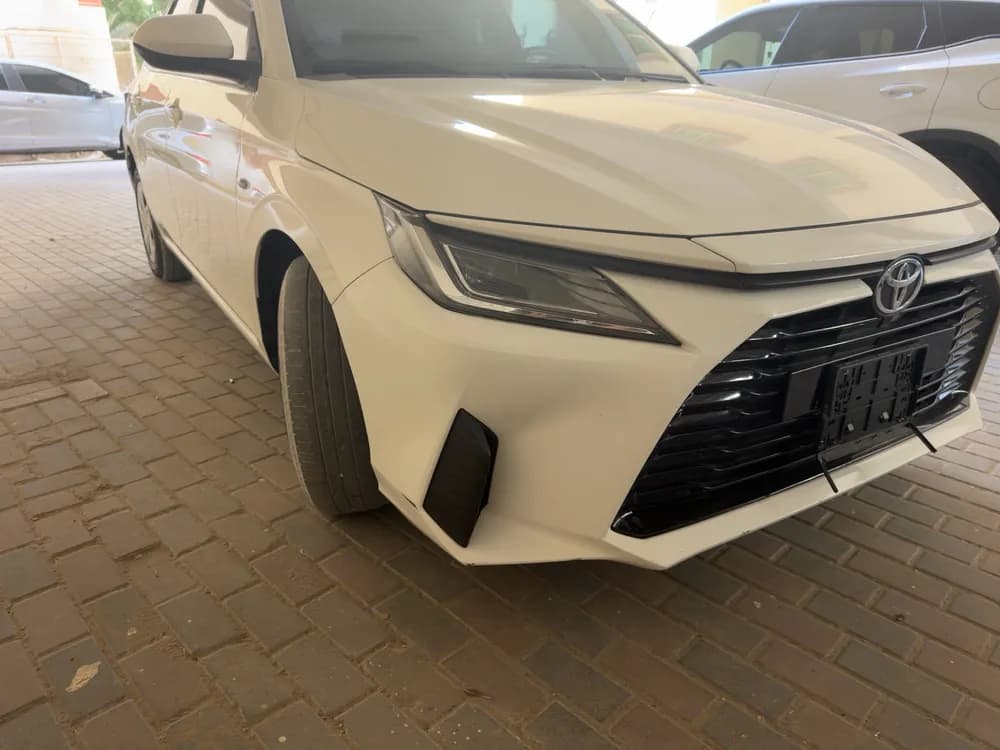
A complete comparison of the Kia Pegas VS Toyota Yaris — specs, prices, pros and cons, and live used listings across UAE.
From AED 46,000

From AED 58,900
| #1 Kia Pegas#1 | #2 Toyota Yaris#2 | |
|---|---|---|
| Price Comparison | ||
| Starting at | 46,000 – 56,000 AED | 58,900 – 61,900 AED |
| Engine & Power | ||
| Engine | 1,400 cc · 4 cyl | 1,300 – 1,500 cc · 4 cyl |
| Horsepower (bhp) | 95 hp | 98 – 106 hp |
| Torque (Nm) | 132 Nm | 123 – 140 Nm |
| Acceleration 0-100 Km/h (sec) | 12.2 s | 11 – 13.5 s |
| Top Speed (Km/h) | 170 km/h | 165 – 175 km/h |
| Fuel Economy (L/100 Km) | 6.1 L/100km | 5.1 – 5.3 L/100km |
| Fuel Tank Capacity | 43 L | 42 L |
| Gears | 4 | — |
| Transmission | Automatic | Automatic |
| Drive Type | Front Wheel Drive | Front Wheel Drive |
| Fuel Type | Petrol | Petrol |
| Measurements | ||
| L×W×H | 4.3 m × 1.7 m × 1.5 m | 4.1 m × 1.7 m × 1.5 m |
| Wheelbase (meters) | 2.6 m | 2.5 m |
| Trunk Capacity (liters) | 475 L | 286 L |
| Overview | ||
| Body Style | Sedan | Hatchback |
| Seating Capacity | — | 5 seats |
| Doors | — | 5 doors |
| Features | ||
| Key features | 360-Degree Camera360-Degree CameraABS (Anti-lock Brake System)Acoustic HoodActive SteeringAlloy PedalsAnti theft alarmAnti-theft Wheel BoltsAuto Door LockAUXBluetoothBody Colored GrilleCD PlayerChrome Door HandlesChrome Exhaust PipesClimate ControlCollision DetectionEBD (Electronic Brakeforce Distribution)Fire ExtinguisherFirst Aid KitGas Shock AbsorberHDMIImmobilizerLED Fog LightsLegroomMP3MudguardMulti-Information DisplayNight VisionOBD (On-board Diagnostics)Off-Road DampersParking SensorsPedestrian airbagPower SeatsPower SteeringPower WindowsPower Windows - Front and RearRacing Or Bucket SeatsRadioRear AC ControlsRear Audio ControlsRear CameraRear Lcd screensSpeed Sensitive Windshield WipersSpoilerTiptronic GearsVariable Cylinder Management (VCM)WinchWireless HeadphonesWood Trim | 12V SocketABS (Anti-lock Brake System)AirbagsAnti theft alarmAudio Controls on Steering WheelAutomatic ACAUXBA (Brake Assist)BluetoothCargo Area LightCD PlayerCentral LockingCruise ControlCruise Control Switch on SteeringCupholdersDaytime Running LightsDoor Mirrors with Side Turn SignalDrive ComputerEBD (Electronic Brakeforce Distribution)Electric Door MirrorsFabric SeatsFog Lamp - Front and RearFog Lamp - Rear OnlyFoldable Rear Seats with 60:40 SplitHalogen HeadlampsHigh Mount Stop LampImmobilizerISOFIX Child Seat AnchorsKeyless EntryLeather Steering WheelManual ACMap Reading LampsMP3Multi-Information DisplayNumber of SpeakersOdometerParking SensorsPower OutletsPower SteeringPower Windows - Front and RearPush Button StartRadioRear CameraRear Window DefoggerRear WiperSeat Adjustment - ManualSteering Tilt AdjustmentTemperature DisplayTouchscreenTrip ComputerTrip MeterTyre Pressure Monitoring DisplayUSB PortVehicle Stability Control (VSC)Welcome LightWheel SizeWheels - AlloyWheels - Steel |
The Kia Pegas is the clear winner for shoppers with a tighter budget, boasting a starting price significantly lower than the Toyota Yaris.
The Toyota Yaris takes the lead in fuel efficiency, offering an impressive 5.1 L/100km, which is better than the Kia Pegas's 6.1 L/100km.
With a substantial 475 liters of boot capacity, the Kia Pegas is the superior choice for those who need ample space for luggage or groceries.
The Toyota Yaris, as a hatchback, offers slightly better agility and practicality for navigating congested city streets and tight parking spots.


11,000 km · Dubai
AED 53,200